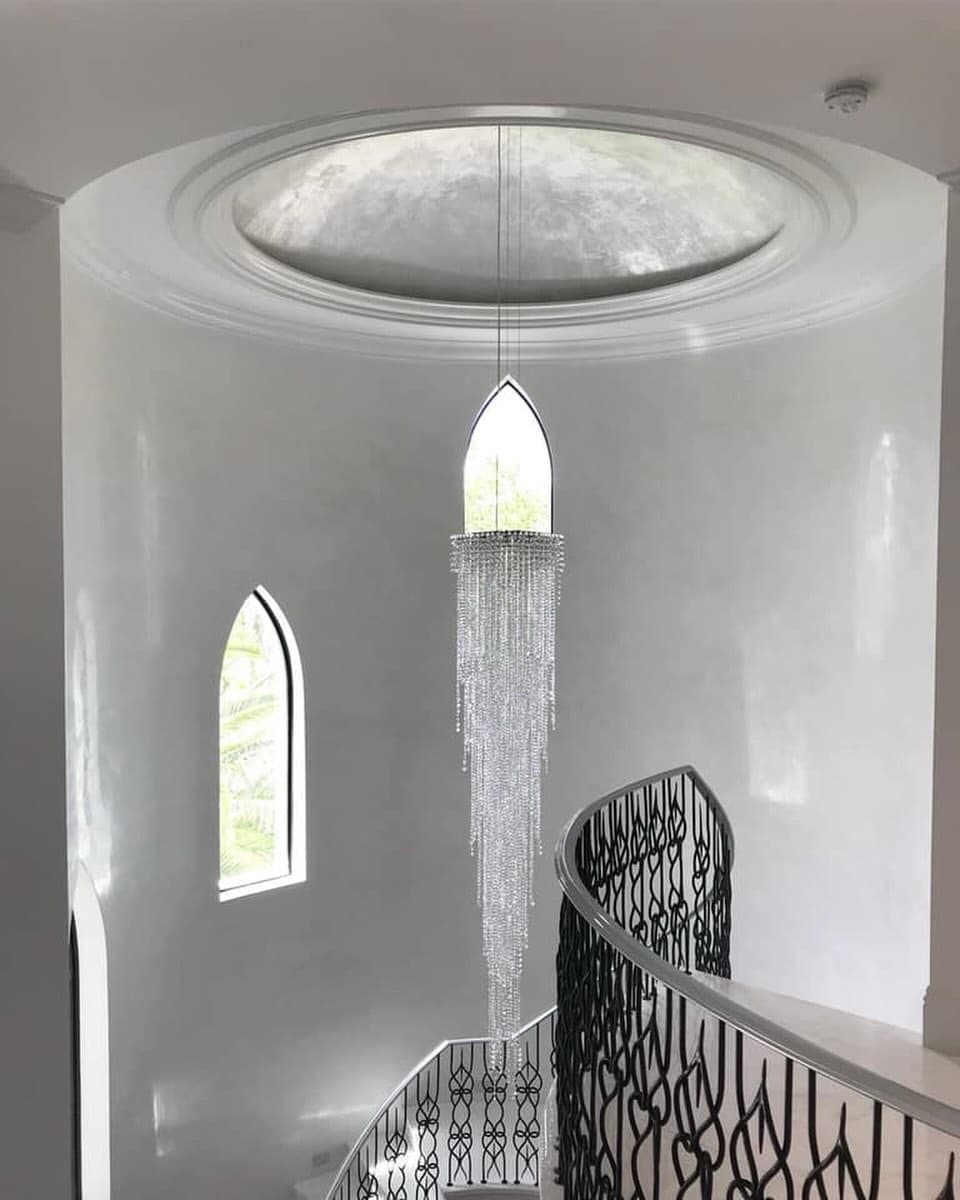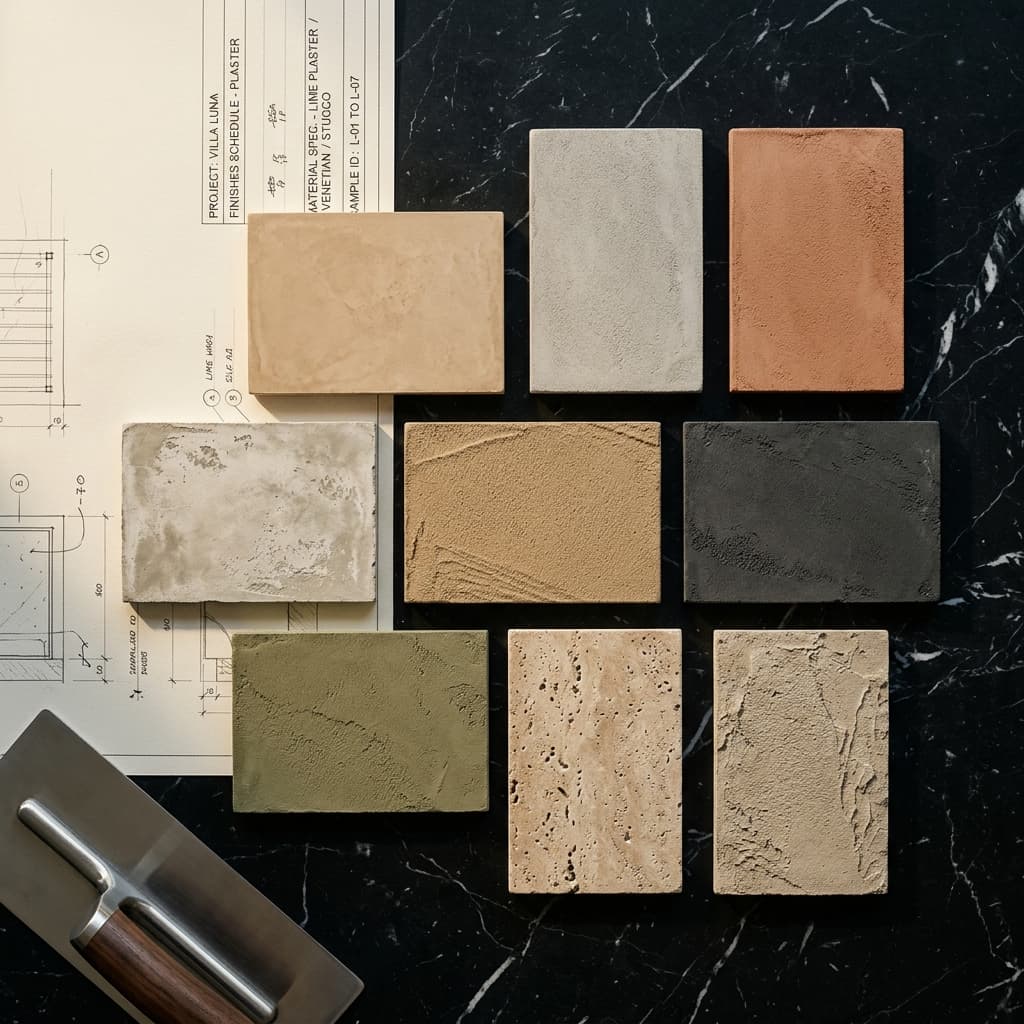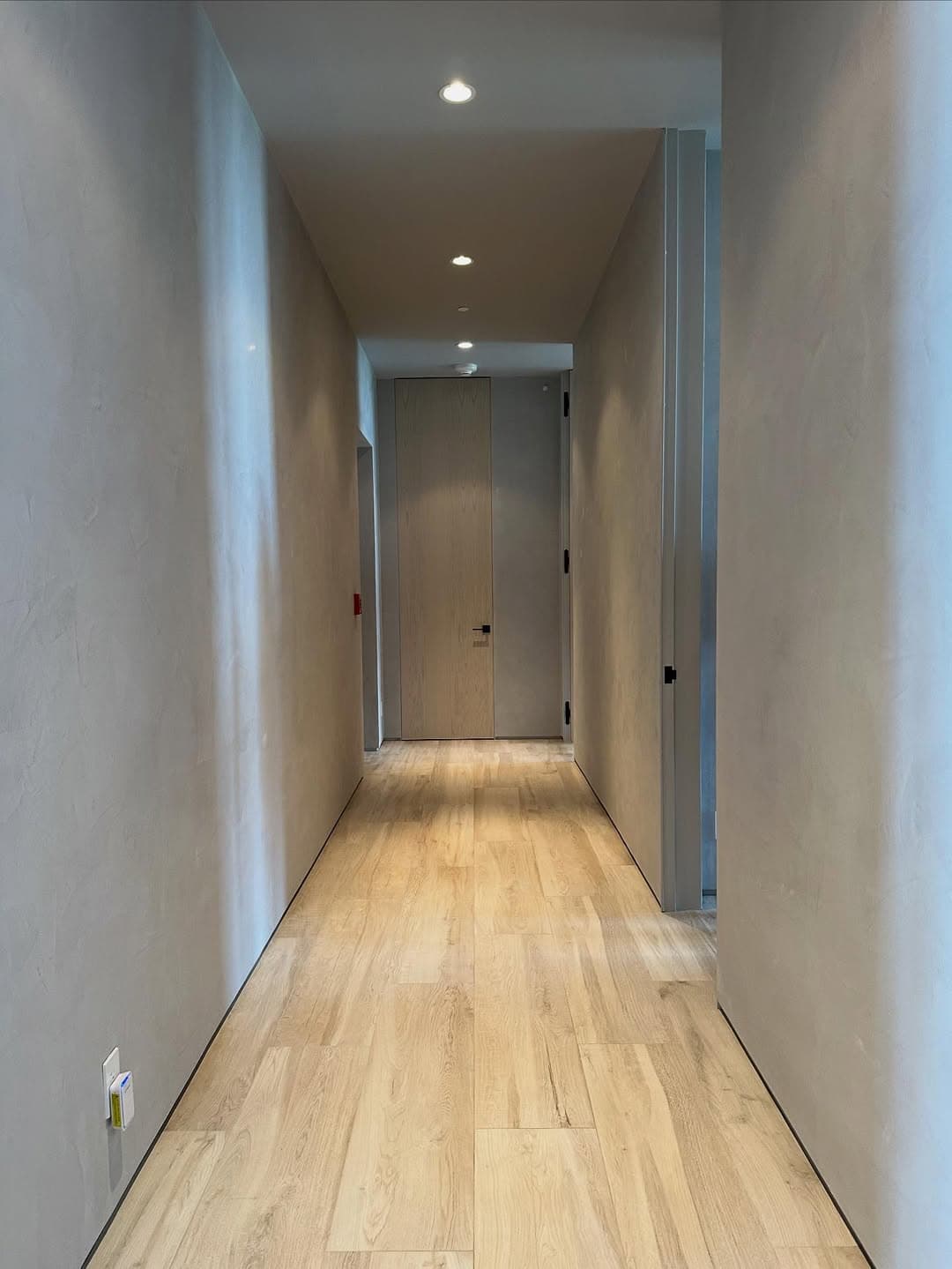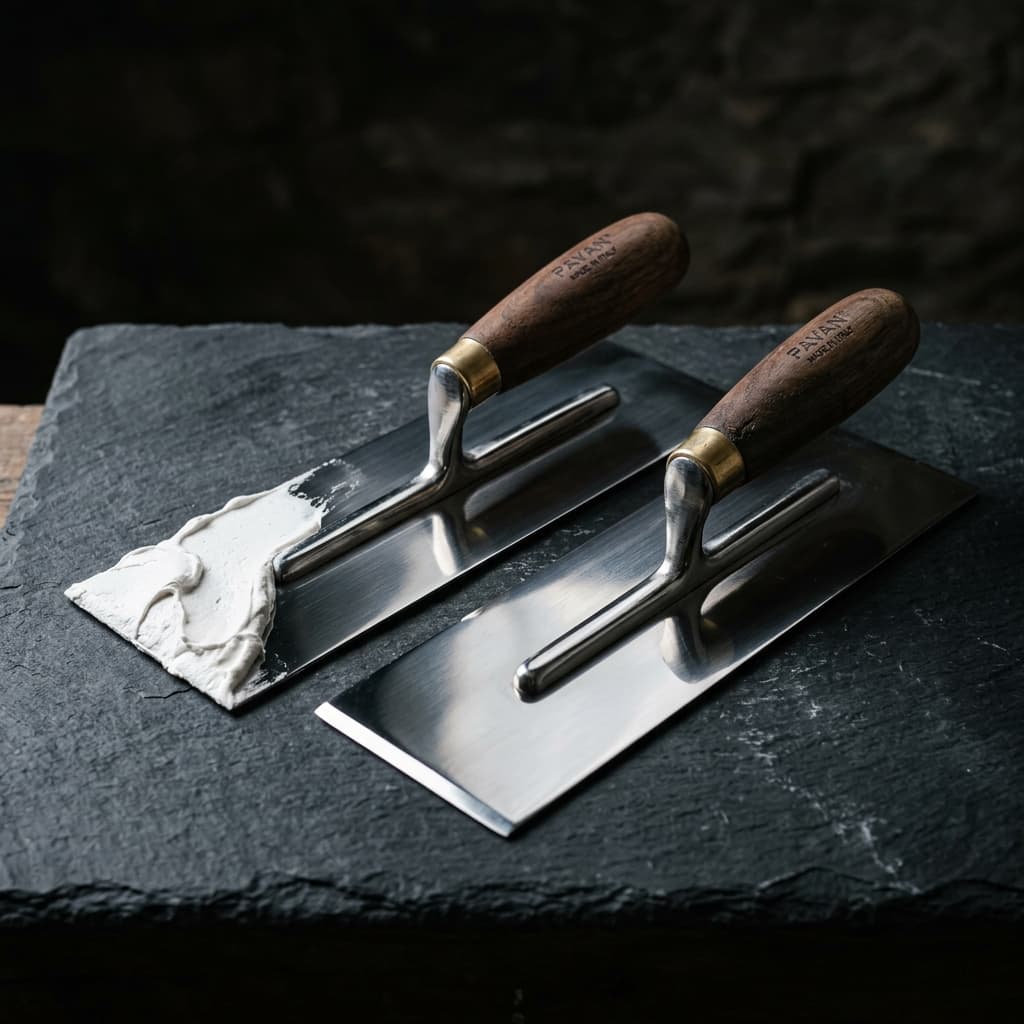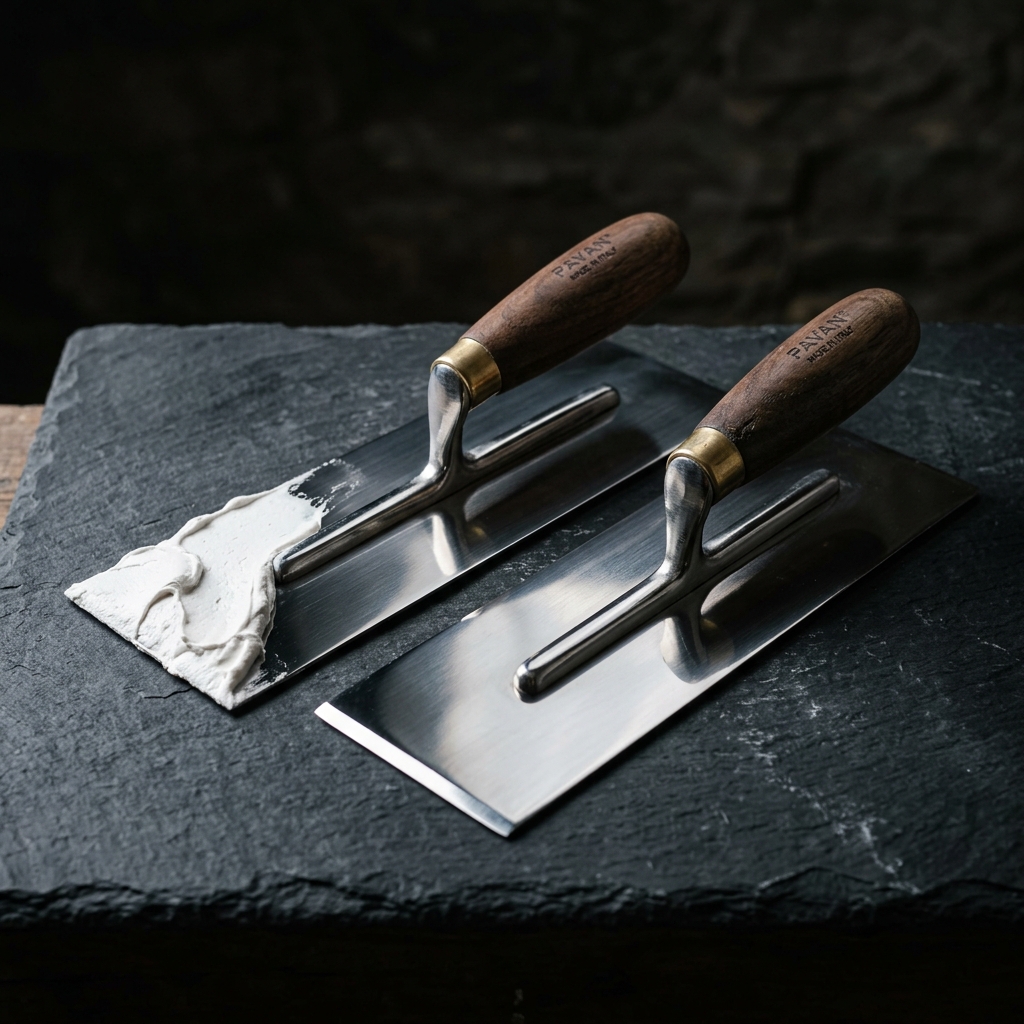
In the world of high-end architectural finishes, the quality of a burnished lime plaster wall is inextricably bound to the metallurgy and geometry of the applicator's trowel. While standard drywall spatulas or masonry trowels leave disastrous dark metal marks and uneven lap lines, authentic Italian plastering trowels—such as those manufactured by Pavan, Marmorino Tools, and specialized Japanese blade crafters—are engineered specifically to compress and polish mineral slaked lime.
1. Why Blade Metallurgy Matters: Eliminating Black Metal Marks
Standard carbon steel trowels oxidize rapidly when reacting with the high alkalinity of pit-aged slaked lime (pH 12–13). This chemical reaction transfers microscopic iron particles onto wet plaster, leaving dark grey or black streaks across pure white Grassello di Calce. Professional Venetian plaster trowels utilize ultra-pure, INOX stainless steel (AISI 304 or titanium-coated alloys) that resists alkaline corrosion and maintains an unyielding mirror gloss during mechanical pressure burnishing.
2. Trapezoidal Blade Geometry vs. Rectangular Trowels
Rectangular masonry trowels possess sharp 90-degree corners that gouge delicate lime coats. In contrast, Venetian plaster trowels feature a trapezoidal blade contour with radiused, rounded corners:
3. Selecting the Right Trowel Size for Every Application Phase
4. Maintenance, Polishing & Edge Dressing Protocols
To preserve the pristine burnishing edge of an Italian plastering trowel:
1. Never use abrasive metal files on the bevel. Use 2000-grit to 3000-grit wet/dry sandpaper or diamond polishing pads.
2. Clean immediately after use. Never allow lime putty to dry and calcify on the blade edge.
3. Store in protective leather holsters. Prevent blade edge nicks during transport to job sites.