Lime-based plasters are mineral coatings that lack the flexible plasticizers of synthetic acrylic paints. When applied over improperly prepared substrates or under extreme environmental conditions, cracking, craze-lining, or delamination can occur.
1. Craze Cracking (Rapid Suction / Shrinkage)
Craze cracking appears as fine spiderweb lines across the plaster face immediately after application.
Root Cause: The underlying substrate absorbed moisture out of the wet lime plaster too rapidly, preventing proper hydration.Prevention: Apply a dedicated Quartz Mineral Primer to equalize substrate suction. Lightly mist porous basecoats with water before applying finish coats.2. Joint Telegraphing & Structural Cracking
Straight vertical or horizontal cracks following drywall seams indicate structural movement.
Root Cause: Expansion or contraction of underlying drywall studs or missing joint reinforcement.Prevention: Embed alkali-resistant 4.5 oz fiberglass mesh across all seams and corner beads into the first coat of base plaster.3. Delamination (Flaking / Peeling)
Delamination occurs when plaster layers fail to bond mechanically or chemically.
Root Cause: Applying topcoats over oily, unprimed, or dusty surfaces, or allowing basecoats to dry too smooth without mechanical keying.Prevention: Ensure basecoats retain slight tooth/texture (like Marmorino Coarse) before troweling smooth topcoats.4. Efflorescence (White Salt Deposits)
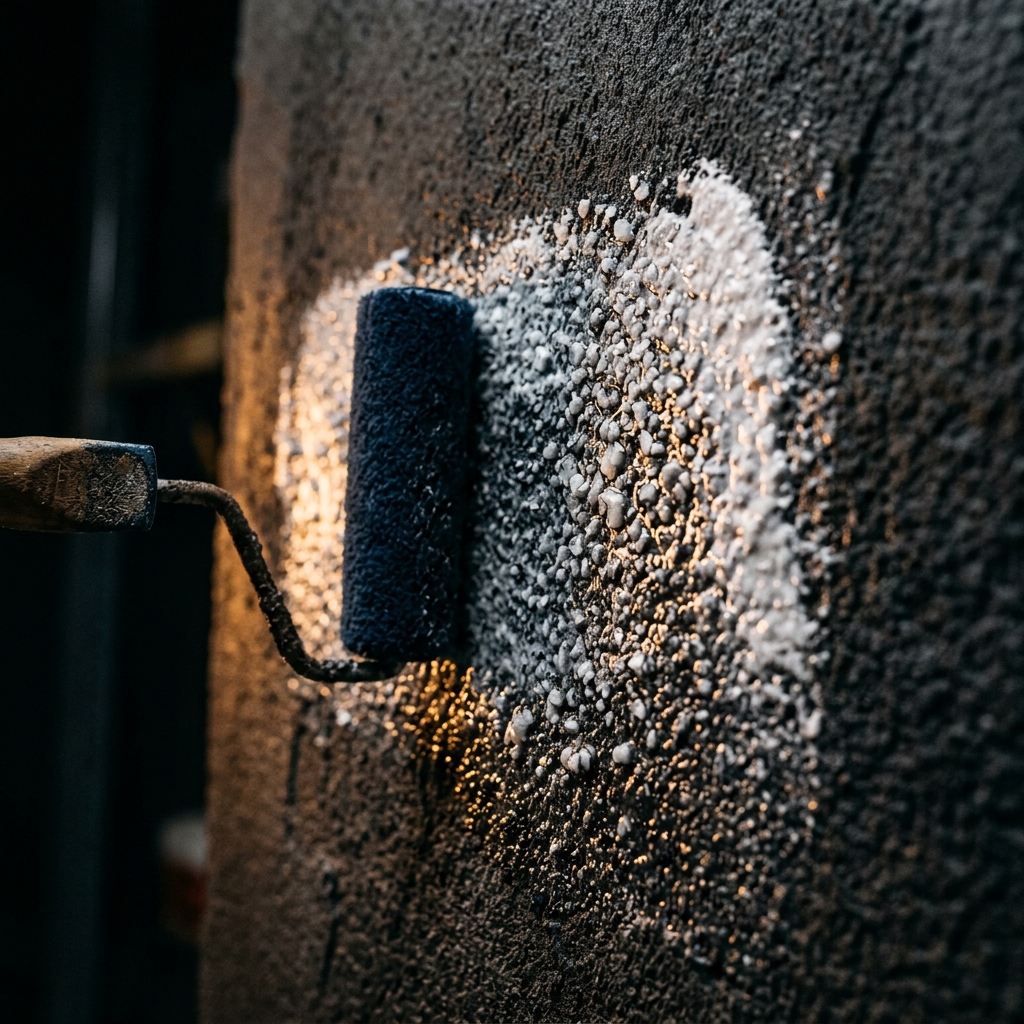
Efflorescence manifests as powdery white salt deposits pushing through the plaster face.
Root Cause: Water migrating through porous brick or masonry, carrying soluble salts to the surface.Prevention: Waterproof external masonry walls and eliminate ground moisture leaks prior to plastering.