Lime Plaster Care & Waxing: Cleaning and Maintaining Polished Walls
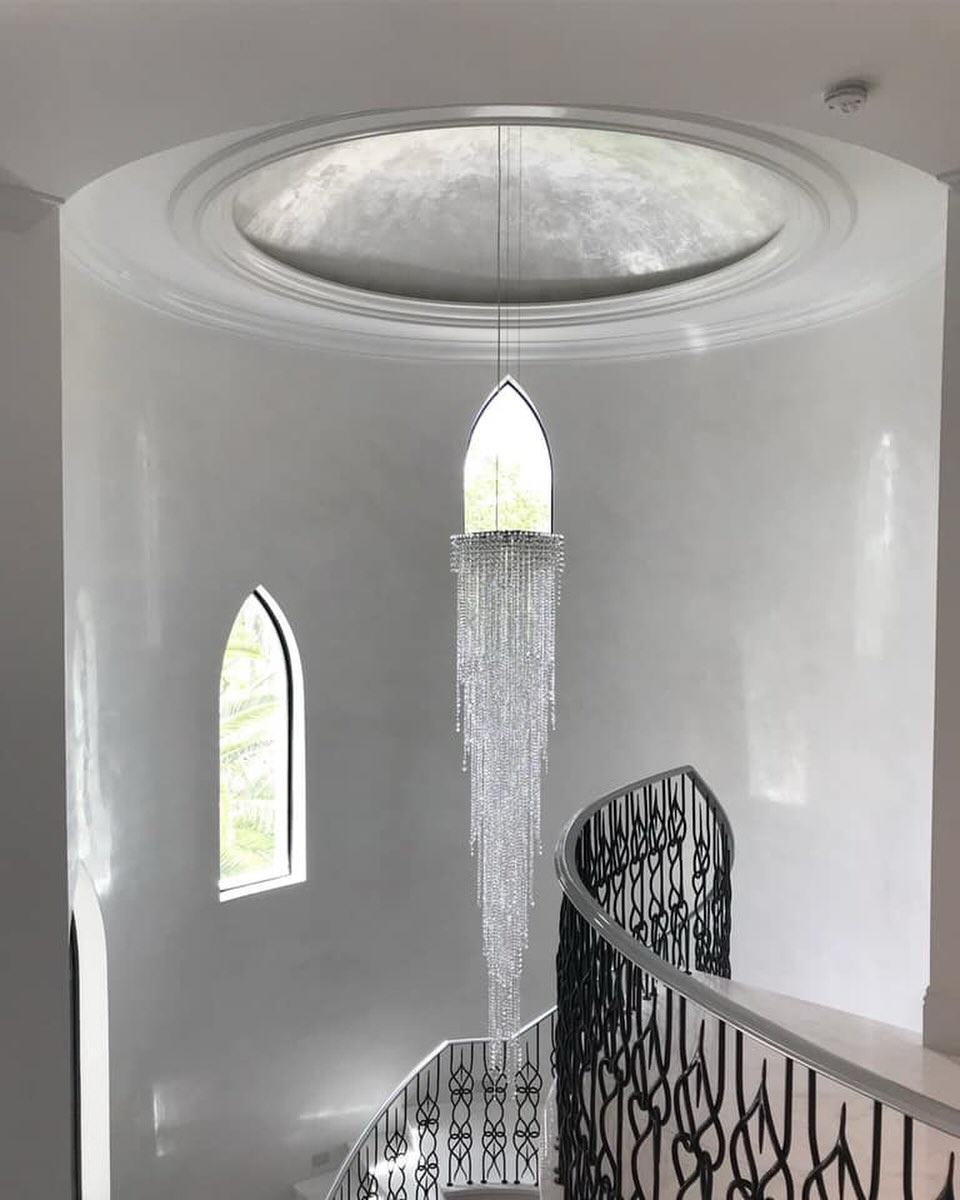
Routine Cleaning
Clean polished lime plaster surfaces with a soft microfiber cloth dampened with warm water and natural Marseille soap. Avoid abrasive sponges, acidic cleaners, or solvent-based chemicals, which can dull the burnished surface.
Protective Sealing: Soap vs. Wax
Finished lime plaster is sealed with natural Marseille olive oil soap or a hydrophobic paste wax, applied by trowel or sponge and buffed with a clean microfiber cloth to lock in protection. Sealed Venetian plaster is water-resistant, but it is not intended for continuous standing water inside shower basins.
Reapplying Wax
In high-traffic commercial environments, reapply the protective wax every 3 to 5 years. Once fully carbonized, Venetian plaster reverts to solid stone and, when protected with hydrophobic wax, resists scuffs, stains, and environmental wear.
Bathrooms, Humidity & Mold
Lime plaster is naturally mold-resistant and breathable because of its high alkalinity. Sealed with Marseille soap or beeswax, it withstands bathroom humidity and splash zones on accent walls outside direct shower spray. For shower enclosures and wetroom floors, a seamless waterproof microcement system is the appropriate material.
Microcement Sealer Care
Microcement floors and shower walls should be cleaned with a pH-neutral soap. In heavy commercial settings, reseal with a protective wax or polyurethane coat every 3 to 5 years to maintain liquid resistance.
Architectural & Technical Q&A
Expert insights into substrate prep, curing carbonization, hydrophobic waxing, and seamless microcement applications.